
Free tool · Vanua · Fanua · Fonua · Fenua
Protect Our Land
A free guide for Pacific families: before you lease, and how to grow income while keeping your land. Fiji, Samoa, Tonga, Tahiti / French Polynesia, Papua New Guinea and Vanuatu, with notes on American Samoa and the Cook Islands.
-
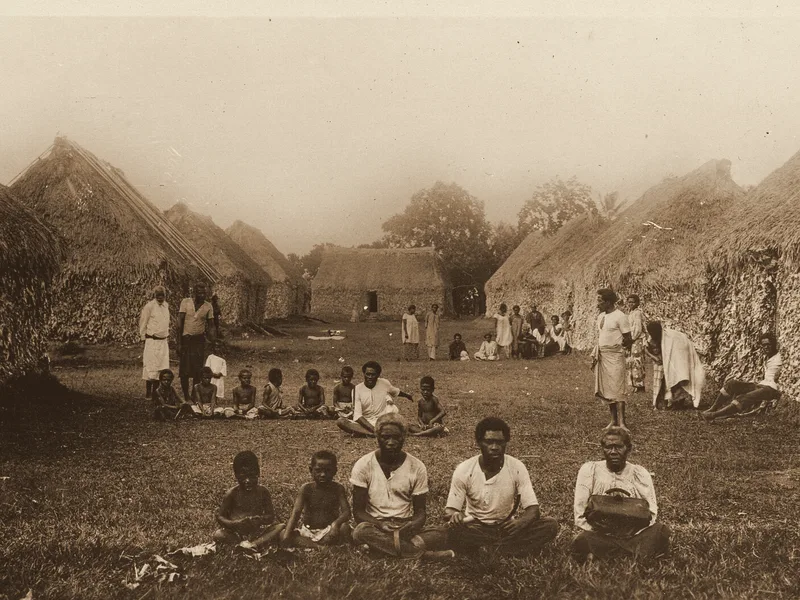 FijiPDF · 33 pagesDownload
-
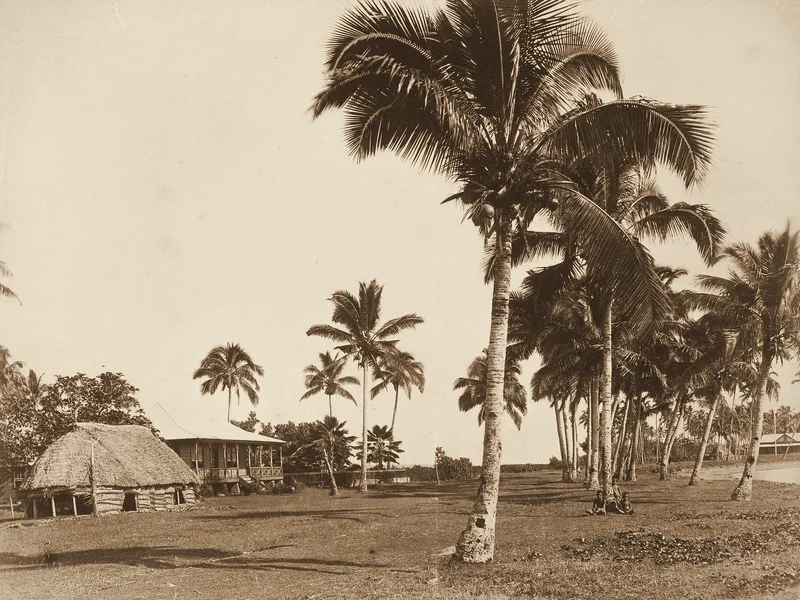 SamoaPDF · 33 pagesDownload
-
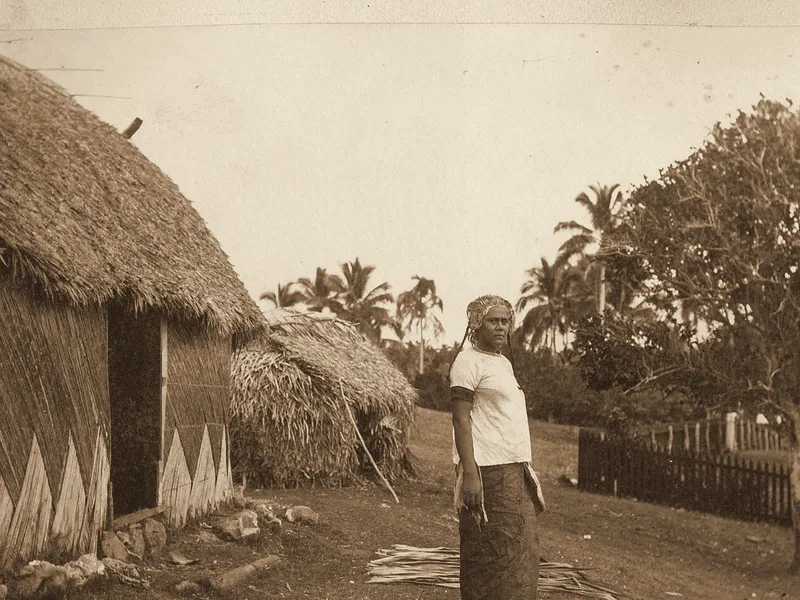 TongaPDF · 33 pagesDownload
-
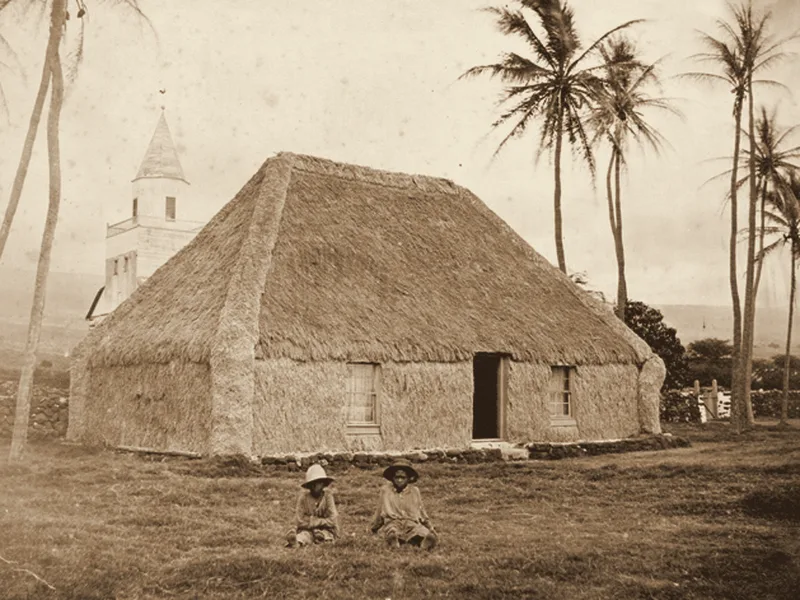 HawaiʻiPDF · 33 pagesDownload
-
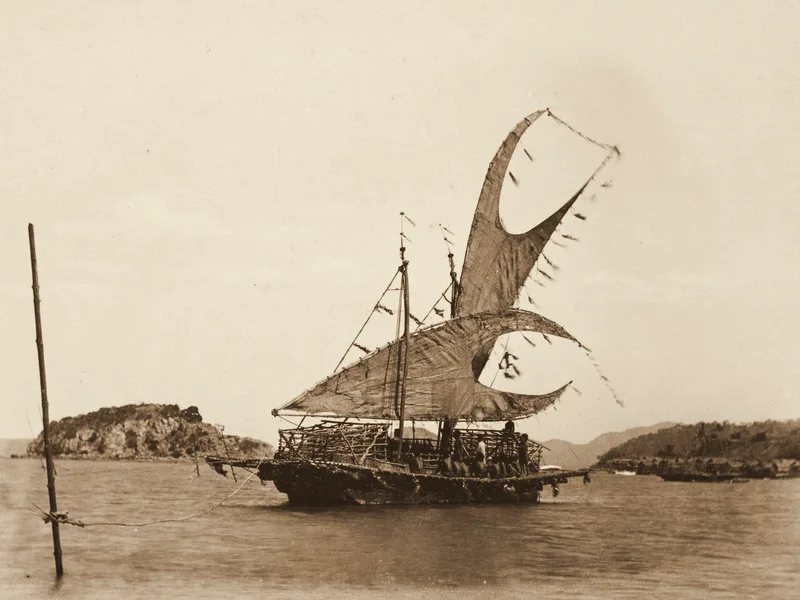 Papua New GuineaPDF · 35 pagesDownload
-
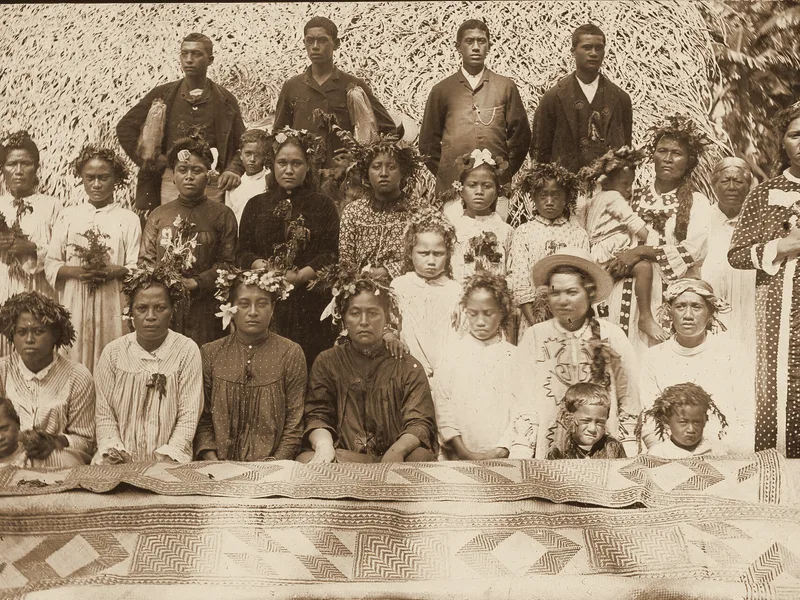 Cook IslandsPDF · 34 pagesDownload
-
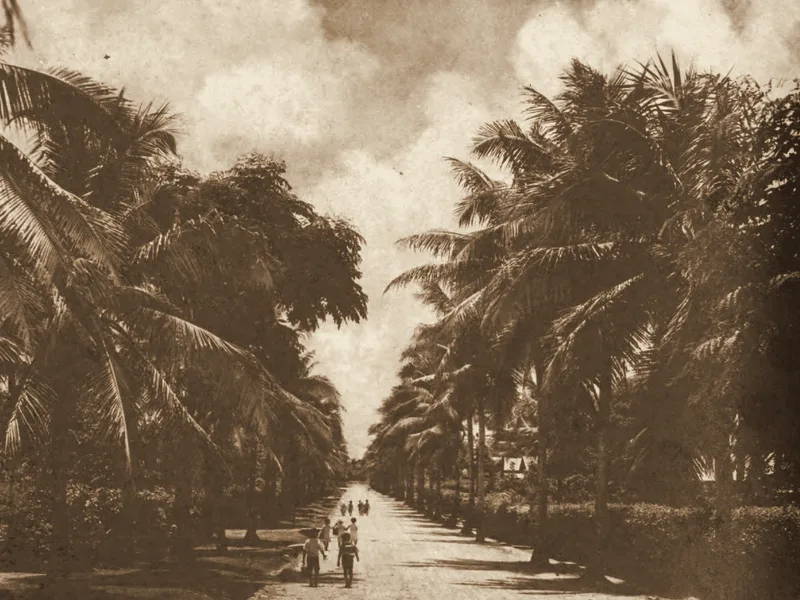 PalauPDF · 32 pagesDownload
-
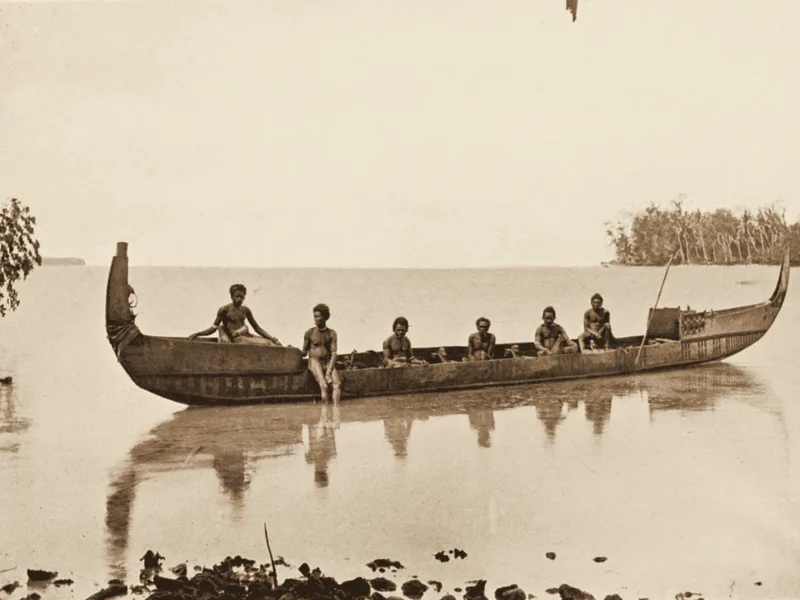 Solomon IslandsPDF · 33 pagesDownload
-
 American SamoaPDF · 32 pagesDownload
-
 NiuePDF · 30 pagesDownload
-
 VanuatuPDF · 30 pagesDownload
-
 AotearoaPDF · 31 pagesDownload
-
 TokelauPDF · 29 pagesDownload
-
 TuvaluPDF · 29 pagesDownload
-
 GuamPDF · 30 pagesDownload
Historical photos, public domain or no known copyright restrictions (Tonga: Flickr Commons), via Wikimedia Commons: Fiji (1913, NYPL); Samoa (circa 1890, Te Papa); Tonga (1900, Australian National Maritime Museum); Hawaiʻi (circa 1883, Bishop Museum); Papua New Guinea (1885, J. W. Lindt, State Library Victoria); Cook Islands (circa 1900, George R. Crummer, Alexander Turnbull Library); Palau (before 1935, National Diet Library, Japan); Solomon Islands (1908, George Brown, 1908); American Samoa (between 1890 and 1910, Thomas Andrew, Te Papa); Niue (circa 1900, from Basil Thomson, Savage Island, 1902); Vanuatu (1901, lantern slide by Molteni, Radiguet & Massiot, Bibliothèque nationale de France); Aotearoa (1890s photochrom, Photoglob Co., Library of Congress); Tokelau (engraving, from James D. Dana, Corals and Coral Islands, 1890); Tuvalu (1900–01, A. B. Alexander, US Fish Commission Albatross expedition); Guam (1917, H. W. Elliott, from L. M. Cox, The Island of Guam).
Talofa lava, Bula vinaka, Mālō e lelei, ʻIa ora na
Our land holds our names, our graves, our gardens and our stories. It came to us from those before, and it is meant to go to those who come after.
This guide is for families who have been offered a lease, or who might be one day. It explains, in plain words, what to check before signing, how land and leasing work in six Pacific countries, and the many ways families earn from their land while keeping it.
Leases are not bad. Many families earn good, steady income from fair leases. But a long lease, like 50, 75 or 99 years, will outlive the people who sign it. That is why it deserves time, care and the whole family's voice.
How to use this guide
- Short on time? Read “Someone offered us a lease” and use the one-page Lease Check.
- Need help? Each country has a “Where to go for help” section. Every website was checked to load in October 2026.
- Print it, share it, read it aloud at your family or village meeting.
A 99-year lease is about four generations
If a lease is signed today for 99 years, the people who get the land back may be your great-great-grandchildren. Most of the people in the room when it is signed will never see it end.
Money today, land tomorrow
Some offers pay a large sum now. Ask what the land will be worth to your family in 20, 50 and 99 years, not only this year.
The land may come back changed
Buildings, cleared forest, fill, or pollution can stay after a lease ends. The lease should say who fixes what.
The investor can change
Unless the lease stops it, the lease can be sold or passed on to people you have never met.
Families grow
A family of 20 today may be 200 later. Think about where your children will live, farm and be buried.
Eight things to check before you sign
Who gets the land back, and in what state?
The lease should say the land returns to your family, and in what condition: cleared of rubbish, chemicals and dangerous buildings.
Buildings and improvements at the end
Who owns houses, hotels, roads or crops when the lease ends? Do you have to pay for them? Can the investor remove them, or must they leave them?
Selling or subletting without you
Can the investor assign (sell) the lease or sublease it to someone else? Ask for a clause that needs your written consent first.
Rent reviews and inflation
Fixed rent loses value every year. Ask for rent reviews every few years, linked to market value or the cost of living.
Premium or yearly rent?
A premium is a one-off payment at the start. Annual rent keeps coming. Know how much of each, and who receives them.
The whole family agrees
Has the whole mataqali / ʻāiga / clan / co-owner group had a real say, including women, young people and members overseas? Record it in writing.
Independent advice
Get advice from someone who works only for your family: your land board, the public solicitor or legal aid, or your own lawyer. Not the investor's lawyer.
Everything in writing, copies kept
Promises made out loud are not in the lease. Get the full lease in writing and signed, with a copy for the family. Keep copies in more than one safe place.
Deciding together
Land decisions belong to the family, not to one person. Our customs of talking together (talanoa, fono, soalaupule, bose) are a strength here.
Who must agree?
Each country has its own rules about who must consent: all owners, a majority, or chiefs with the family. Ask your land office exactly who must sign.
Include everyone
Women, young people, people with disabilities and family overseas are owners too. Make sure they can speak and be heard.
Write it down
Keep minutes: the date, who was there, what was offered, what was decided, and who will act. Have them signed.
Share the benefits fairly
Agree how rent will be shared or used (school fees, a church, a family fund) before the money comes.
Use an interpreter
If the offer is in English or French, ask for the lease to be read and explained in your language.
It's okay to say no
“No”, “not yet” or “only for a shorter time” are all respectful answers.
Someone offered us a lease: what now?
- Don't sign on the spotA fair offer will still be there next week. Say: “Thank you. Our family needs time to talk and get advice.”
- Gather the familyCall a proper meeting of all owners or their representatives. Include elders, women, youth and family overseas (a video call works). Write down who came and what was agreed.
- Get a copy to keepAsk for the full draft lease, maps and plans, in writing. Ask for a translation into your language if you need one.
- Check with your land boardAsk the official land office whether this lease is allowed, what the usual rent is, and what steps are required (see Section 4).
- Get free legal helpContact legal aid or the public solicitor, or a lawyer who works only for your family.
- Compare offersAsk what similar land earns. Look at other options too: farming, a homestay, a shorter lease or a joint venture.
- NegotiateEvery clause can be discussed: the term, rent reviews, jobs for family, return of the land. Ask for changes in writing.
- Sign only when you are sureEveryone who must sign has read it or had it explained. Keep a signed copy in your family land folder.
Red flags
If you see one of these, stop and get advice before you go any further.
Pressure to sign fast
“Sign today or the deal is gone.” Real partners give you time to get advice.
Cash upfront to one person
Money or gifts given to one chief, one relative or one ‘representative’ before the family has agreed.
Papers only in English
Or only in a language some owners can't read well. Everyone signing should understand every page.
No copy left with you
If they take the papers away after you sign, you have no proof of what you agreed. Always keep a copy.
Middlemen and ‘fixers’
Someone says they represent the family but is paid by the investor. Ask who pays them.
Promises not in the lease
“Of course we'll hire your sons.” If a promise matters, it must be written into the lease.
Questions to ask the investor
Write down the answers, the date, and who answered. A good partner will answer clearly.
- Who exactly are you? Can we see your company registration?
- What will you build or grow, and on how much of the land?
- Why do you need this many years?
- How much is the rent, how often is it paid, and when will it go up?
- Is there a premium? Who receives it?
- Who can you sell or sublease the lease to? Will you need our written consent?
- What happens to the buildings when the lease ends?
- How will you protect water, reefs, forest, graves and sacred places?
- How many jobs and training places for our family, in writing?
- What happens if you stop paying or leave?
- Will you pay for our independent legal advice?
- Can we see a lease you made with another family, and speak to them?
How a fixed rent shrinks over 99 years
Imagine a lease with rent fixed at 1,000 a year (in any currency) that never goes up, while prices rise 3% a year. The bars show what that same 1,000 can buy, in today's money.
744
after 10 years
228
after 50 years
54
after 99 years: about one-twentieth
What helps: rent reviews every 3 to 5 years, linked to the market value of the land or the cost of living; a share of income from the business; and a shorter term with an option to renew.
How we worked it out: 1,000 divided by 1.03 for each year. Real inflation goes up and down, and is sometimes higher than 3%. This simple example only shows the idea.
Glossary: lease words in plain English
- Lease
- A written agreement that lets someone use your land for a set time, in return for rent. The land stays yours.
- Lessor / Lessee
- Lessor: the side giving the lease (owners or the land board for them). Lessee: the side getting it (the tenant or investor).
- Term
- How long the lease lasts, for example 30 years.
- Renewal / option to renew
- A right to extend the lease when it ends. Check who has the choice, and on what rent.
- Premium
- A one-off sum paid at the start of a lease, separate from yearly rent.
- Annual rent
- Money paid every year for the use of the land.
- Rent review
- A set time when the rent is checked and changed, for example every 5 years.
- Inflation
- Prices rising over time, so the same money buys less each year.
- Assignment
- When the tenant sells or hands the whole lease to someone else.
- Sublease
- When the tenant rents out part or all of the land to another person.
- Consent
- Formal permission, best given in writing.
- Covenant / clause
- A promise or rule written into the lease, such as “keep the land clean”.
Glossary (continued)
- Improvements
- Things added to the land: houses, buildings, roads, fences, trees and crops.
- Reversion / surrender
- When the land goes back to the owners at the end, or early by agreement.
- Default / breach
- When one side breaks a promise in the lease, such as not paying rent.
- Forfeiture / termination
- Ending the lease early because of a serious breach, following the steps in the lease.
- Customary land
- Land held by families, clans or villages under custom, not bought and sold.
- Freehold
- Land owned outright that can be bought and sold.
- Registration
- Recording a lease at the official land registry, so it is legally recognised and protected.
- Survey plan
- An official map showing the exact borders and size of the land.
- Mortgage
- Using a lease or land as security for a loan. If the loan is not repaid, the bank may take the lease.
- Joint venture
- When owners and an investor run a business together and share the profits.
- Independent advice
- Advice from someone who works only for you, with no link to the investor.
- Witness
- A person who watches you sign and signs too. Ideally, someone the family trusts.
Most land in Fiji is iTaukei land, owned by mataqali and other landowning units. It cannot be sold to outsiders, but it can be leased. The iTaukei Land Trust Board (TLTB) manages and grants leases on behalf of landowners, collects rent and pays it out.
The iTaukei Land Trust (Leases and Licences) Regulations, reg 6, set the maximum lease at 99 years. Many leases are shorter. About 6% of land is freehold and the rest is State land.
- Ask TLTB to explain any offer, the usual rent for your area, and the review dates.
- Landowners’ consent is needed before TLTB grants a lease. Ask how it is recorded for your mataqali.
- Under Fiji’s 2018 royalties law, minerals belong to the State, and landowners receive a share (80%) of the royalties. Check with TLTB or the Mineral Resources Department.
Most land in Samoa is customary land, held by ʻāiga under their matai. Article 102 of the Constitution forbids selling or mortgaging it. It can be leased or licensed under the Leasing and Licensing of Customary Land Act 1965 (formerly the Alienation of Customary Land Act).
The Minister responsible for lands grants leases as trustee for the beneficial owners. Under section 4 of the Act, leases are limited to:
- Hotel or industrial purposes: up to 30 years, plus up to 30 more on renewal.
- Other purposes: up to 20 years, plus up to 20 more.
Leases are registered at the Land Registry in the Ministry of Natural Resources and Environment (MNRE). Disputes over customary land and titles go to the Land and Titles Court.
In Tonga, all land belongs to the Crown and is held as estates by nobles and as allotments (ʻapi) by Tongan men under the Land Act. Clause 104 of the Constitution says land cannot be sold. It can only be leased or mortgaged.
Leases need the consent of Cabinet for terms of up to 99 years, and the Privy Council for longer terms (Constitution clauses 105 and 114). Under clause 110, every lease must be registered with the Minister of Lands. Under section 19 of the Land Act, the Minister grants leases with Cabinet consent.
- Before anything is signed, ask the Ministry of Lands whether a lease over your ʻapi or estate is allowed, and what rent is usual.
- Disputes over land go to the Land Court.
- Women’s and heirs’ rights under the Land Act are complex. Get advice on your family’s situation.
In French Polynesia, most family land is private property that is often held in indivision: many heirs own it together, sometimes across many generations. This makes leasing, building and borrowing difficult, and can lead to disputes.
A tribunal foncier (land court) within the Tribunal de première instance de Papeete has handled these cases since 2017. It has one judge and two lay assessors who know local custom, with sessions in Raiatea and Nuku Hiva.
A 2019 law (loi n° 2019-786, art. 4) lets heirs holding at least two-thirds of an estate open for over 10 years ask a notary to prepare a sharing-out (partage). Others can object to the tribunal foncier. It applies to plans notified before 31 December 2028.
Most land in PNG is customary land, held by clans under custom. It is commonly reported as about 97% of the country. The Department of Lands and Physical Planning (DLPP) handles State leases and registration.
Special Agriculture and Business Leases (SABLs): under the Land Act 1996 (ss 11 and 102), the State can lease customary land from owners and lease it back, for up to 99 years. Customary rights are suspended during the lease. A 2013 Commission of Inquiry looked at 75 SABLs covering about 5.2 million hectares, and found many were granted without proper landowner consent.
Clans can form an Incorporated Land Group (ILG) under the Land Groups Incorporation Act to hold and deal with land as a group. Check the current rules with DLPP.
Article 73 of the Constitution says: “All land in the Republic of Vanuatu belongs to the indigenous custom owners and their descendants.” Land cannot be sold, permanently, to non-citizens (Art 74 and 79), but it can be leased.
Under the Land Leases Act (Cap 163) s 32, the maximum lease term is 75 years. Since the 2013 land reforms (Land Reform (Amendment) Act No. 31 of 2013, ss 6F and 6J), a lease of custom land needs the consent of all custom owners, and negotiators need a certificate.
The Customary Land Management Office (CLMO) supports this process. Under the Custom Land Management Act 2013, owners are identified by their nakamal and custom area land tribunals.
American Samoa & the Cook Islands
Native land is protected
Most land is communal native land under matai. Selling native land to people who are not of at least one-half Samoan blood is restricted (A.S.C.A. 37.0204). Leases of native land need the Governor's approval and are capped at 55 years, except for mining and timber (A.S.C.A. 37.0221).
Check with the Territorial Registrar and the Land and Titles Division of the High Court. Source: asbar.org.
Leases up to 60 years
Native freehold land cannot be sold, but it can be leased for up to 60 years. Leases are agreed at a Meeting of Assembled Owners, approved by the Leases Approval Tribunal and confirmed by the High Court. Leases of 5 years or less don't need tribunal approval (Leases Restrictions Act 1976).
Check with the Ministry of Justice, Land Division: justice.gov.ck/lease.
Crops and products with good demand
Many families already grow these. Better quality, processing and steady buyers can turn them into reliable income, with no lease needed.
Kava (yaqona, ʻava)
High value. Quality and drying matter, and buyers ask about variety and age. Kava export rules differ by country.
Vanilla
Needs hand pollination and careful curing. Small plots can earn well.
Coconut
Virgin coconut oil, copra, coir, sugar and water. Old palms can be replanted in stages.
Cocoa
Fine-flavour cocoa sells for more. Fermenting and drying well is the key.
Taro & root crops
Strong demand from families overseas. Frozen and processed taro can be exported.
Noni
Juice and powder. Buyers often ask for organic certification.
More crops and products
Breadfruit
Flour and chips are gluten free. A tree crop that keeps giving for decades.
Coffee
Smallholder coffee is PNG’s heart. Talk to the Coffee Industry Corporation about quality and buyers.
Black pearls
Pearl farming needs a licence and skills. Contact the marine resources office.
Monoi
Monoi de Tahiti has a protected appellation of origin (since 1992). It is made from tiare flowers and coconut oil.
Make it, brand it, sell it
Selling raw crops earns the least. Each step you add (drying, pressing, packing, a label with your village story) keeps more money in the family.
Value-added ideas
Coconut oil and soap, vanilla extract, cocoa nibs and chocolate, breadfruit flour, dried fruit, kava powder, tapa, mats and carvings.
Tell your story
“Grown on our family land in Savaiʻi” sells. Use a simple logo, photos of the land (not of people without permission) and honest labels.
Sell to the diaspora
Families overseas want home products. Use Facebook, Instagram, WhatsApp or a simple website, and relatives abroad as agents.
Start small, keep records
Test one product. Write down costs and sales. Grow once people come back for more.
Homestays and cultural tourism
Visitors want what money can’t build: real village life, food from the umu, lovo or ahima’a, stories, weaving, fishing and church on Sunday.
Homestays & fale stays
A few simple rooms or fale, clean bathrooms, safe water and good food. Families can share the work and the income.
Experiences
Cooking classes, weaving, reef walks, guided hikes, planting a tree, or a day on the farm. These can be sold without building anything.
Licences & standards
Most countries need a licence, registration or declaration to host paying guests. See “Tourism or homestay” in Section 4.
Protect what is sacred
Agree as a family which places, stories and days are not for visitors. Write your village rules down for guests.
Ask for a fairer lease
Shorter terms
Say 20 to 30 years with an option to renew on new terms, instead of 99 years at once.
Regular rent reviews
Every 3 to 5 years, linked to market value or the cost of living.
A share of the income
A small percentage of turnover or profit, as well as the base rent.
Jobs and training, in writing
Set numbers of jobs, apprenticeships or supply contracts for the family.
Consent for any transfer
No assignment or sublease without the owners’ written consent.
Return the land well
A plan and a bond (money held back) to clean up and restore the land.
Protect sacred places
Graves, churches, springs, reefs and tapu sites stay out of the lease.
Joint ventures
Owners put in the land as their share of a business and receive a share of the profits and a say in decisions. Get expert advice.
Co-ops and certification
Co-operatives
Families pool crops to sell in bigger amounts, share a dryer or a truck, and bargain for better prices. Many countries have a co-operatives office (see Section 4).
Producer groups
Even an informal group of farmers can share training, buyers and transport.
Organic certification
Many Pacific farms already use no chemicals. The Pacific Organic Standard and participatory guarantee systems (PGS) help small farmers get recognised. See POETCom.
Fair trade
Fairtrade certification can earn a better price and a premium for community projects. Usually done through a co-op. See fairtradeanz.org.
Grants, loans and support
Help changes often, so ask what is open now. Have a simple plan ready: what you will grow or make, how much it costs and who will buy it.
Development banks
National development banks lend to farmers and small businesses, often for longer terms (see Section 4).
Microfinance
Small loans for women and families, often in groups, e.g. SPBD in Samoa, Tonga, Fiji and Vanuatu.
Agriculture ministries
May offer seedlings, planting material, tools, training and extension officers.
Small business offices
Business training, mentoring and sometimes grants for small enterprises.
Regional programmes
SPC, Pacific Islands Trade & Invest, IFAD and FAO run programmes for farmers and exporters.
Church & community
Church groups, NGOs and the diaspora often fund village projects. Ask, and report back on results.
Fiji
| I need help with | Go to |
|---|---|
| Is this lease offer fair? | iTaukei Land Trust Board (TLTB)431 Victoria Parade, Suva · (679) 3312 733 · toll free 0800 3312 533 · tltb.com.fj |
| Free legal help | Legal Aid CommissionCall 1506 · (679) 331 1195 · offices listed at legalaid.org.fj |
| Register or check a lease | Registrar of Titles, Ministry of JusticeLevel 1, Suvavou House, Victoria Parade, Suva · (679) 3308600 · justice.gov.fjTLTBfor leases of iTaukei land |
| Family / clan land dispute | Ministry of iTaukei AffairsAsk about the iTaukei Lands and Fisheries Commission · itaukeiaffairs.gov.fj |
| Start a farm or business | Micro & Small Business portalOnline registration and support (sign-in portal) · msme.mcttt.gov.fjInvestment FijiFor investors and larger projects · investmentfiji.org.fj |
| Export permits | Biosecurity Authority of FijiLevel 3, Provident Plaza 1, Ellery St, Suva · (679) 3312512 · info@baf.com.fj · baf.com.fj |
| Loans & grants | Fiji Development Bank360 Victoria Parade, Suva · (679) 331 4866 · fdb.com.fjSPBD Microfinance Fiji14–18 McGregor Rd, Suva · 679 331 1169 |
| Tourism or homestay licence | Hotel licensing (Office of the Attorney-General)+679 330 9866 · info@ag.gov.fj · ag.gov.fj/hotel-licensingMinistry of Tourism & Civil AviationLevel 4, Civic Tower, Suva · +679 892 6220 · mtca.gov.fj |
Samoa
| I need help with | Go to |
|---|---|
| Is this lease offer fair? | Ministry of Natural Resources & Environment (MNRE)Land Management Division · TATTE Building, Apia · +685 67200 · info@mnre.gov.ws · mnre.gov.ws |
| Free legal help | Ministry of Justice & Courts AdministrationAsk what free legal help is available for land matters · +685 22671 · info@mjca.gov.ws · mjca.gov.ws |
| Register or check a lease | MNRE Land RegistryRegisters leases of customary land · +685 67200 · mnre.gov.ws |
| Family / clan land dispute | Land and Titles Court (via MJCA)Mulinuʻu, Apia +685 22671–22674 · Tuasivi, Savaiʻi +685 53514 · mjca.gov.ws |
| Start a farm or business | Ministry of Agriculture & FisheriesTATTE Building Level 4, Sogi · (685) 22561 · maf.gov.wsSamoa Business HubSanalele Complex · 685 22770 · samoabusinesshub.wsMCIL (business registration)ACC House · +685 20441 · mcil.gov.ws |
| Export permits | MAF Quarantine / Biosecurity(685) 22561 · biosecurity.info@maf.gov.ws · maf.gov.ws |
| Loans & grants | Development Bank of Samoa12 Main Beach Rd, Apia · 685 22861 · Savaiʻi 685 51350 · dbsamoa.wsSPBD SamoaSNPF Plaza, Apia · (685) 20-189 |
| Tourism or homestay licence | Samoa Tourism AuthorityAccommodation standards · samoatourism.org · samoa.travel |
Tonga
| I need help with | Go to |
|---|---|
| Is this lease offer fair? | Ministry of Lands & Natural ResourcesVuna Road, Nukuʻalofa · +676 740 1301 · enquire@lands.gov.to · lands.gov.to |
| Free legal help | Legal aidWe could not confirm a free legal-aid service for land matters. The Family Protection Legal Aid Centre (next to the Magistrates’ Court, Fasi) may help or refer you. Ask the Ministry of Lands too. |
| Register or check a lease | Ministry of Lands & Natural ResourcesAll leases must be registered with the Minister of Lands · lands.gov.to |
| Family / clan land dispute | Land CourtHears land disputes. Decisions are published by the Attorney General’s Office · ago.gov.to |
| Start a farm or business | Ministry of Agriculture, Food & ForestsAdvice, planting material and extension · maff.gov.toBusiness Registries OfficeLatai Estate, Fasi moe Afi · +676 7400 104 · businessregistries.gov.to |
| Export permits | MAFF QuarantineExport inspection and certificates · maff.gov.to |
| Loans & grants | Tonga Development BankFarm and small business loans · tdb.toSPBD Tonga(676) 844 0400 / 27 087 |
| Tourism or homestay licence | Tonga TourismVisitor accommodation information · tongatourism.travelBusiness licencesBusiness Registries Office · businessregistries.gov.to |
French Polynesia
| I need help with | Go to |
|---|---|
| Is this lease offer fair? | Direction des affaires foncières (DAF)Free land consultations · (689) 40 47 18 82 / 40 47 18 18 · Immeuble Te Fenua Māʻohi, Papeete · service-public.pf/daf |
| Free legal help | Barreau de Papeete (bar association)34 bis rue du 5 mars 1797, Immeuble Artemis, Papeete · barreau-avocats.pfLegal aid (aide juridictionnelle)Free legal help if you qualify, including land cases. The bar explains how · barreau-avocats.pf |
| Register or check a lease | DAFLand registry and cadastre. Offices in Taravao, Uturoa, Tubuai and Nuku Hiva · service-public.pf/daf |
| Family / clan land dispute | Tribunal foncier (TPI Papeete)Land court for indivision and family land cases, with sessions in Raiatea and Nuku Hiva · 42 av. Pouvana'a a Oopa, Papeete · justice.gouv.fr |
| Start a farm or business | Direction de l’agriculture (DAG)Pirae · (689) 40 42 81 44 · service-public.pf/dagChambre d’agriculture (CAPL)+689 40 50 26 90 · capl.pfCCISM / Ressources marines (pearls)40 47 27 00 · ccism.pf · 40 50 25 50 · ressources-marines.gov.pf |
| Export permits | Direction de la biosécuritéMotu Uta, Papeete · +689 40 54 45 85 · service-public.pf/biosecurite |
| Loans & grants | SOFIDEP15–17 rue du Dr Cassiau, Papeete · 40 50 93 30 · sofidep.pf |
| Tourism or homestay licence | Service du tourisme (SDT)Declaring tourist accommodation is free and mandatory · +689 40 47 62 00 · service-public.pf/sdtTahiti TourismePromotion and marketing · tahititourisme.pf |
Papua New Guinea
| I need help with | Go to |
|---|---|
| Is this lease offer fair? | Dept of Lands & Physical Planning (DLPP)Eda Tano Haus, Waigani Drive · (+675) 301 3246 · customer service 301 3294 · dlpp.gov.pg |
| Free legal help | Public Solicitor’s OfficeFree legal help, including land matters · publicsolicitor.gov.pgPNG Law SocietyFind a lawyer · Level 2, Newmont Haus, Hunter St · +675 321 7344 · pnglawsociety.org.pg |
| Register or check a lease | DLPPCheck a title, State lease or SABL · dlpp.gov.pg |
| Family / clan land dispute | Magisterial ServicesLand mediation, Local Land Courts and Provincial Land Courts · Erskine St · +675 321 7661 · magisterialservices.gov.pg |
| Start a farm or business | SME CorporationInfinite Haus, Gordons · (675) 323 5816 · smecorp.gov.pgInvestment Promotion AuthorityBusiness registration · ipa.gov.pgDept of Agriculture & LivestockExtension and farm support · ask at your provincial agriculture office |
| Export permits | Commodity boardsCoffee: cic.org.pg · Cocoa Board, Kokopo +675 982 9083 · cocoaboard.org.pg · Coconut (KIK) 321 1133 · kik.com.pgQuarantine (NAQIA)Export certificates. Its website was not loading when we checked |
| Loans & grants | National Development BankSomare Circuit, Waigani · (+675) 7090 8200 · ndb.com.pgSME CorporationTraining and finance support · smecorp.gov.pg |
| Tourism or homestay licence | PNG Tourism Promotion Authority6th Floor, Kwalimu Haus, Somare Circuit, Waigani · +675 325 0318 · papuanewguinea.travel |
Vanuatu
| I need help with | Go to |
|---|---|
| Is this lease offer fair? | Customary Land Management Office (CLMO)Draft lease and negotiator consultations · Pacific Business Centre, Nambatu, Port Vila · +678 27297 · clmo.gov.vuOffice of the Valuer General (Ministry of Lands)Independent decisions on land rent or premium disputes · +678 33140 · mol.gov.vu |
| Free legal help | Public Solicitor’s OfficeEmile Mercet St, Port Vila · (+678) 33160 / 23450 · pso.gov.vuVanuatu Law SocietyFind a lawyer · 3rd floor, Lolam House · vanuatulawsociety.org |
| Register or check a lease | Ministry of Lands (Land Records)George Pompidou Rd, Port Vila · +678 33140 · mol.gov.vu |
| Family / clan land dispute | CLMO, nakamal & custom area land tribunalsIdentifying custom owners under the Custom Land Management Act 2013 · clmo.gov.vu |
| Start a farm or business | Dept of Agriculture & Rural DevelopmentExtension and planting material · agriculture.gov.vuRegistrar of Cooperatives (ORCBDS)(678) 33390 · cooperative.gov.vuDept of IndustrySmall business and processing · doi.gov.vu |
| Export permits | Biosecurity VanuatuTagabe Rd, Port Vila · (678) 33580 / 23519 · biosecurity@vanuatu.gov.vu · biosecurity.gov.vu |
| Loans & grants | Vanuatu Rural Development Bank(+678) 23 140 · Santo +678 37256 · ruralbank.vuSPBD Vanuatu+678 22750 |
| Tourism or homestay licence | Department of TourismTourism permits and operator standards · George Pompidou Rd, Port Vila · +678 33400 · tourism@vanuatu.gov.vu · tourism.gov.vu |
Regional help
Pacific Islands Trade & Invest
Helps Pacific businesses export to Australia, NZ, Asia, Europe and the US.
Your family land folder
If the papers are lost, the family can lose its proof. Keep one folder for each piece of land.
The lease
Every page, signed, plus any changes (variations) and renewals.
Title or land record
Registration certificate, land register extract or TLTB/registry reference numbers.
Survey map
The official plan showing borders and size.
Rent receipts
Every payment: date, amount and who received it.
Family / clan agreements
Meeting minutes, consent forms and agreements on sharing rent.
Land board letters
All letters and emails to and from the land office, court or investor.
Owner IDs & family tree
A list of owners and heirs, with ID copies and contact details.
Photos of the land
Dated photos of boundaries, buildings and the land’s condition at the start.
Scan it, store it, share it
1 · Scan with your phone
Use a free scanning app, the “Scan documents” option in iPhone Notes, or the scan button in the Google Drive app. Scan every page, flat and in good light.
2 · Store it privately
Keep a private shared folder in Google Drive or iCloud. Share it only with trusted family, never publicly.
3 · Name files clearly
Year-month-day, then land, then document: 2026-10-14_Lot12-Faleolo_Lease-signed.pdf
4 · Two or more keepers
Give access to at least two trusted people, one at home and one overseas, so the papers survive any one loss.
Key dates tracker
| Date | Land / lease | What happens |
|---|---|---|
| Start date | ||
| Rent review 1 | ||
| Rent review 2 | ||
| Renewal deadline | ||
| End date |
Our Land Record
A fill-in page to record your family land: who the owners are, where the boundaries run, any leases, and where the papers are kept. It works best printed. Download the full guide (PDF) and print this page for your family meeting.
Lease Check
Tick every box before anyone signs. If you can’t tick one, stop and ask for help (Section 4).
- We have not been rushed. We took time to think and talk.
- The whole family (all owners or their representatives) has met and agreed, and it is written down.
- We have a full written copy of the lease, in a language we understand.
- We checked with our land board or land office.
- We got independent legal advice (not the investor’s lawyer).
- We know how long the lease is, and when it ends or can be renewed.
- The rent has reviews at least every 3 to 5 years.
- We know about any premium, and who receives the money.
- The tenant cannot sell or sublease without our written consent.
- It says what happens to buildings and the land’s condition at the end.
- Sacred places, graves and water are protected.
- Promises (jobs, roads, school fees) are written in the lease.
- We will keep copies in our land folder, held by two or more people.
A note for the diaspora
Whether you are in Auckland, Brisbane, Salt Lake, Los Angeles or Nouméa, you can protect home land from far away.
You are an owner too
In most places, family members overseas keep their rights in family land. Stay in touch and stay informed.
Join by video
Ask for family meetings by video call, so you can hear and speak. Ask for minutes.
Help read the papers
If you read English or French well, help elders understand. But leave the decisions to the family.
Fund advice, not pressure
Offer to pay for independent legal advice or a valuation, rather than pushing for one choice.
Be a buyer
Buy family products, and help with online sales, shipping and marketing abroad.
Be a keeper
Hold a copy of the land folder safely overseas.
Vinaka vakalevu · Faʻafetai tele lava
Mālō ʻaupito · Māuruuru roa
Our land is not only something we own. It is who we are. Take your time, talk together, ask questions, and choose what is best for the generations still to come.
This guide is free. Please print it, share it, and read it aloud at your family, church and village meetings.

pasifikaplanning.com

@projectspossible
Blake Soifua · Projects Possible
Sources & notes
- Fiji
- TLTB, tltb.com.fj; iTaukei Land Trust (Leases and Licences) Regulations reg 6 (FAOLEX fij3145); Fair Share of Mineral Royalties Act 2018.
- Samoa
- Constitution Art 102; Leasing and Licensing of Customary Land Act 1965 s 4 (ag.gov.ws); MNRE; MJCA.
- Tonga
- Constitution cl 104, 105, 110, 114 (constituteproject.org); Land Act s 19 (SPC PAFPNet); lands.gov.to.
- French Polynesia
- Loi n° 2019-786 art 4 (Légifrance); TPI Papeete (justice.gouv.fr); DAF, DAG, SDT, Biosécurité (service-public.pf); monoidetahiti.org.
- Papua New Guinea
- Land Act 1996 ss 11, 102; SABL Commission of Inquiry Report (2013); ANU Press; dlpp.gov.pg.
- Vanuatu
- Constitution Art 73, 74, 79 (parliament.gov.vu); Land Leases Act s 32 (FAOLEX van88905); Land Reform (Amendment) Act 2013; Custom Land Management Act 2013 (clmo.gov.vu).
- American Samoa
- A.S.C.A. 37.0204, 37.0221 (asbar.org).
- Cook Islands
- Ministry of Justice, justice.gov.ck/lease; Leases Restrictions Act 1976 (FAOLEX cok4225).
Websites and contact details were checked in October 2026. Some government sites were not loading at the time and are named without links. The rent example is an illustration only. Free to share; please don’t sell it.
Lease limits at a glance
| Country | 99-year leases? | Lease limits | Can it be sold? | Source |
|---|---|---|---|---|
| Fiji | Yes, up to 99 years | iTaukei (native) land is leased through the iTaukei Land Trust Board (TLTB). Some lease types are shorter, around 50 years. | Native land can't be sold, except to the State for a public purpose. | TLTB: Ownership & rights · iTaukei Land Trust Act |
| Samoa | No | Customary land leases are capped at 20 years, plus up to 20 more on renewal (30 + 30 for hotel or industrial use). | Customary land can't be sold (Constitution, Article 102). | Leasing and Licensing of Customary Land Act 1965 |
| Tonga | Yes, up to 99 years | Up to 99 years for hereditary estates and town allotments (longer needs Privy Council consent). Tax allotments: up to 20 years. | Land can't be sold, only leased. | Land Act |
| Vanuatu | No | Customary land leases are capped at 75 years. | Land belongs to its custom owners. | Land Leases Act |
| Papua New Guinea | Yes, up to 99 years | Customary land can be leased for up to 99 years, for example through Incorporated Land Group (ILG) leases and Special Agriculture and Business Leases (SABLs). | Customary land generally isn't sold, only dealt with through custom or leases set by law. | Land Act 1996 |
| Cook Islands | No | Leases are capped at 60 years. | Native freehold land generally can't be sold. | Ministry of Justice: Leases |
| Tahiti (French Polynesia) | Varies | A different, French civil-law system, and rules vary. | Check locally before signing anything. | Check with local land authorities |
Questions to ask before you sign
- How long is the lease, really, counting every renewal?
- Can it be renewed or extended, and who gets to decide?
- What happens to the buildings and improvements when it ends?
- Who in the family agreed to it, and is that written down and recorded?
- Is the rent reviewed over time, or locked in for decades?
- Has the land trust board or land ministry approved it?
- Have you had independent advice from someone not connected to the lessee?
Last reviewed October 2026.
Back to our free tools